
How population-scale epigenetics could transform healthcare in the UAE
Thursday, June 04, 2026

In an article published in the journal Nature Genetics, an international team that includes researchers from MBZUAI argues that large-scale analysis of patients’ genomes and epigenomes, the layer of chemical modifications that controls how genes are switched on and off, could transform how we treat and even prevent disease.
The framework they propose, called “adaptive health“, combines identifying genetic risk with monitoring how the epigenome changes over time – and how interventions can be made to limit or reverse epigenetic modifications that harm health. The researchers also suggest that the UAE has built the necessary infrastructure to support this innovative approach to healthcare.
Beyond the code
An organism’s DNA sequence is, for the most part, fixed from birth. The epigenome, however, is dynamic and changes in response to factors like diet, stress, aging, activity level, and chemicals found in the environment. “The epigenome consists of chemical modifications that influences gene expression, making genes more or less active,” says Eduardo Beltrame, co-author of the article and assistant professor of Computational Biology at MBZUAI.
Changes to the epigenome can be reversed, and adaptive health is based on the idea that through close monitoring, epigenetic changes caused by poor diet, smoking, and other behaviors or the environment can be identified and influenced. As the researchers put it in the study, “an adaptive health system can act beyond static risk prediction toward actionable, mechanistically grounded intervention.”
Translating the concept into a population-level healthcare program requires linking genetic and epigenetic profiles to clinical records, data about environmental exposure, and health outcomes across a large number of people and over time.
Data collection and integration on this scale is rare, but the UAE is positioned to deliver on the promise of adaptive health due to its unique mix of resources, research institutions, and population characteristics, Beltrame and his co-authors say.
Central to the implementation of adaptive health in the UAE is the Emirati Genome Program (EGP), one of the world’s largest population genomics initiatives. As part of the EGP, nearly 1 million Emirati citizens have undergone whole-genome sequencing and more than 100,000 have been sequenced using a technique known as “Oxford Nanopore Technologies (ONT) long-read” sequencing.
ONT long-read sequencing reads long stretches of DNA while also detecting certain epigenetic modifications, such as DNA methylation. Profiling many individuals with this technology provides gives researchers a comprehensive view of both inherited genetic variation and epigenetic regulation.
Recent research led by Andrew Feinberg, Bloomberg Distinguished Professor at Johns Hopkins University, and David Threadgill, Distinguished Professor at Texas A&M University – both co-authors of the Nature Genetics article – used ONT long-read sequencing to look closely at DNA segments of the mouse genome. In their study they described how some epigenetic marks can be inherited in ways that break the century-long understanding of the rules of inheritance as defined by Gregor Mendel.
Long-read sequencing is critical for adaptive health because it can provide researchers information about whether an epigenetic change is inherited or caused by the environment. Acquired epigenetic changes can potentially be reversed. Feinberg says that “ONT long-read sequencing can in theory be applied to human populations to identify genes and variants that are responsible for disease and epigenetic changes together at the same time.”
A data-rich healthcare ecosystem
The UAE also benefits from another population-level program called the Human Phenotype Project (HPP), which started profiling patients in the country this year, collecting data about patients’ medical history, nutrition, sleep habits, microbiome, and genetics. HPP is led by Eran Segal, a co-author of the article and Dean of the Biological and Life Sciences Division and Professor of Computational Biology at MBZUAI.
Another key player in the Abu Dhabi data ecosystem is M42, a healthcare company based in Abu Dhabi that runs the EGP, manages hospitals in the UAE, and leads advanced environmental exposure monitoring. And the country’s national health information exchange, Malaffi, can provide longitudinal health data and information about patient outcomes across the UAE’s healthcare system.
Shahrukh Hashmi, another co-author, says: “A crucial advantage to the EGP is the integration of genomics with the Malaffi national health information exchange along with M42, a global, technology-enabled healthcare organization, and cutting-edge universities including MBZUAI, Khalifa University, and NYU Abu Dhabi.” Hashmi is Adjunct Professor of Personalized Medicine at MBZUAI and Director of Research Development at the Abu Dhabi Department of Health.
Mohamed Alameri, Genome and Biobank Division Director at the Abu Dhabi Department of Health and Adjunct Assistant Professor at Khalifa University, is also a co-author of the article.
Adaptive health in the UAE would also benefit from the expertise of researchers at MBZUAI, including Beltrame and Segal, to use AI to analyze population-level health data. “We want to understand the maladaptive epigenetic states and how we can restore them back to the healthy state,” Beltrame says. “We’re excited about the UAE’s potential for groundbreaking translational health research, the role MBZUAI is playing in the application of AI to analyze health data, and the potential impact this could have for patients.”
Read The promise of adaptive health in the United Arab Emirates and beyond: Nature Genetics | PDF
- healthcare ,
- biology ,
- medical ,
- HPP ,
- EGP ,
- Nature Genetics ,
Related
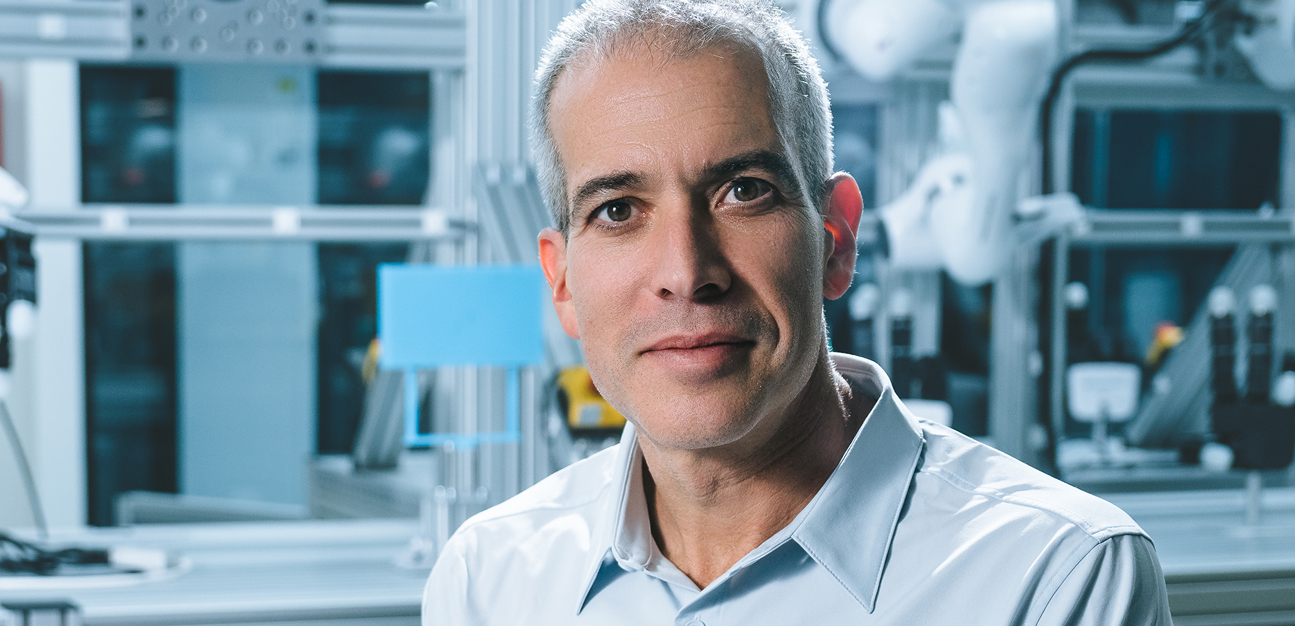
What it takes to study human biology at scale
The Dean of MBZUAI's Biological and Life Sciences Division, Eran Segal, outlines a future where AI helps.....
Read More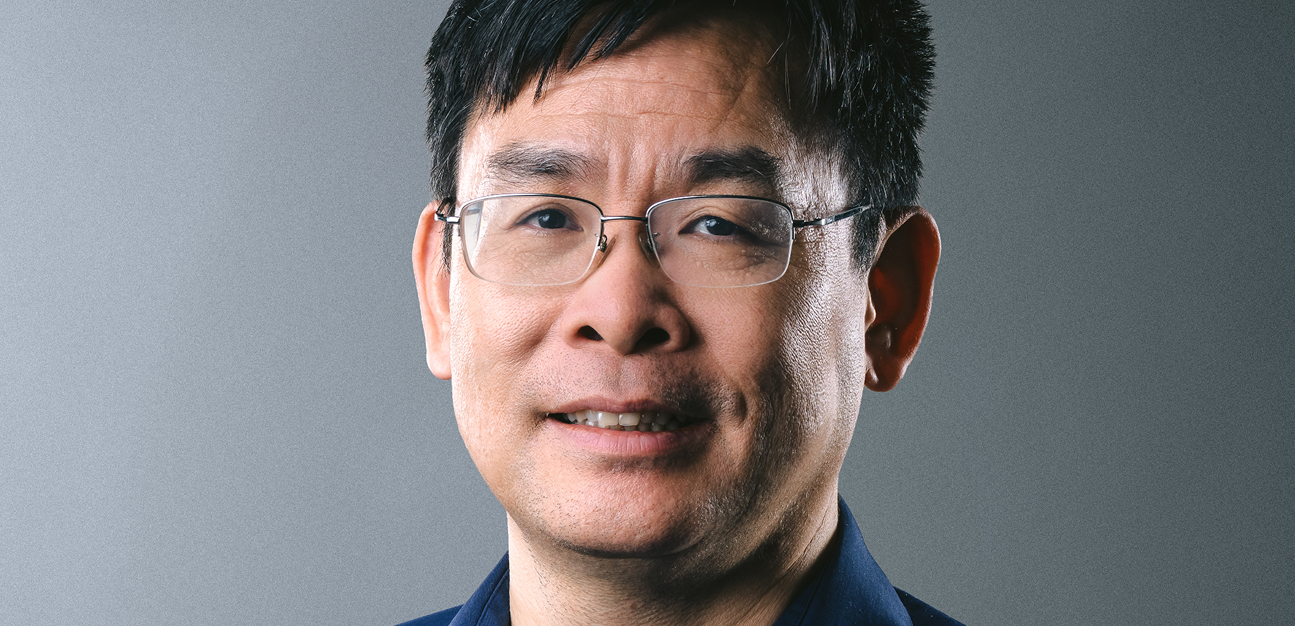
At robotics’ “take-off moment”, Dezhen Song is helping shape the future at MBZUAI
From building MBZUAI's robotics department to developing the next generation of AI talent, Professor Dezhen Song is.....
- vice provost ,
- OSPA ,
- faculty ,
- robotics ,
- innovation ,

How neural networks are making soft robots easier to control
MBZUAI's Cesare Stefanini has helped develop a new AI-driven control strategy that helps soft robotic arms move.....
- neural networks ,
- control ,
- soft robotics ,
- ICRA ,
- conference ,
- robotics ,