
What it takes to study human biology at scale
Tuesday, June 30, 2026
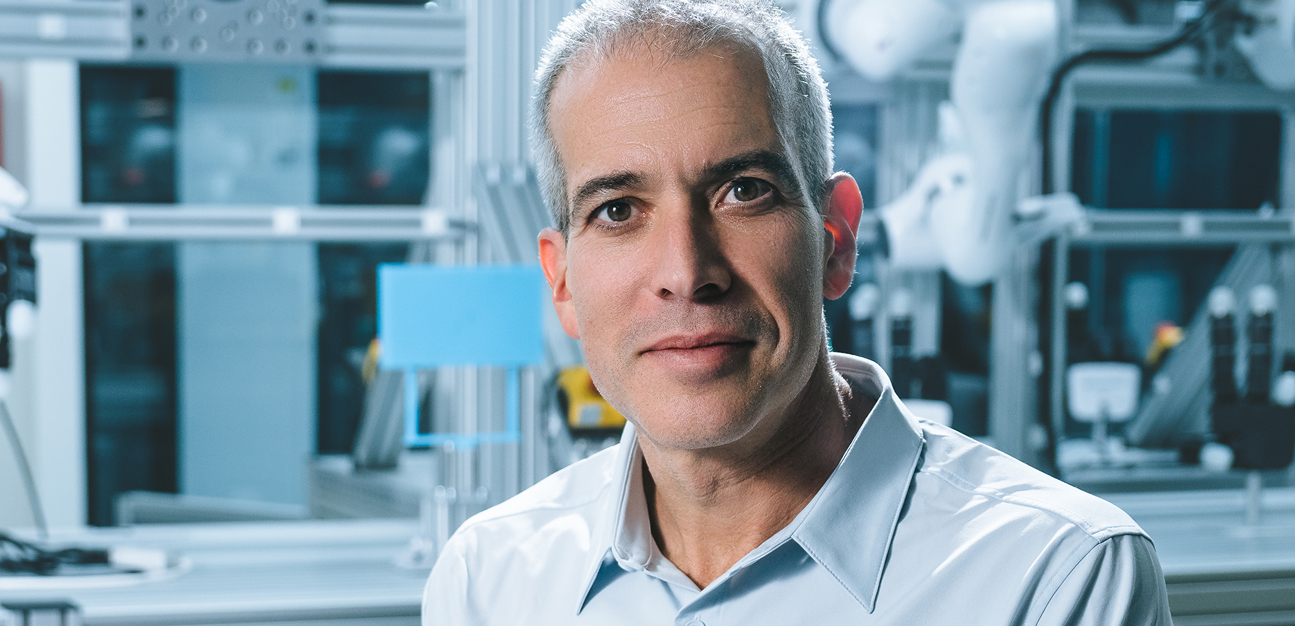
A computer scientist by training, Eran Segal’s research focuses on data-driven precision medicine and using AI and human cohort data to model human health. He has published on many aspects of human genomics, including the relationship between human health and the genetic makeup of the gut microbiome. His research has been cited nearly 90,000 times.
Segal has recently been named Dean of the Division of Biological and Life Sciences and Professor of Computational Biology at MBZUAI and is building an ambitious research division to address some of the most difficult questions in the life sciences.
Segal says that the recent revolution in AI has had a significant impact on how research is conducted in the life sciences. For example, the rise of AI-powered coding assistants has made it easier than ever to build an application to analyze biological data. Compared to even a year ago, the time it takes to go from idea to implementation has narrowed significantly.
But to produce research you need data – often lots of it, and of a high quality. This is where MBZUAI is uniquely positioned as a center for research on human biology, as university researchers have access to two large datasets of human biological data that make up what is one of the most comprehensive collections of human health data in the world.
One dataset is produced by the Emirati Genome Program (EGP), which has mapped the genetic makeup of nearly one million Emiratis. The program is designed to help healthcare providers anticipate risks for hereditary conditions, inform public health policies, and create personalized, preventive, and predictive health strategies.
The second, led by Segal, is the Human Phenotype Project (HPP). The project identifies novel molecular markers with diagnostic, prognostic, and therapeutic value, and develops predictive models related to disease onset and progression.
Data collected for HPP covers more than 40 modalities, including medical records, lifestyle and nutritional habits, vital signs, blood tests, and genetic data. “It goes all the way from the microbiome to physiology,” Segal says.
Putting data to work
One of the goals of capturing huge amounts of human biological data is to use them to build foundation models that can predict and simulate human biology and even generate new scientific hypotheses about biology, Segal says. These models would have different capabilities and provide different benefits.
Predictive models would be able to anticipate the future health trajectories of people based on their historical data. Think of it like an LLM, Segal says, where a model receives a prompt and generates an output. A predictive model for human biological data could be prompted with multimodal information about a patient – medical records, imaging, data collected by wearables, and other information – and predict their health at a time point in the future.
Models that simulate human biology would allow researchers to examine how an intervention – such as a medicine – would affect an individual’s biology. This is similar to how clinical trials work today, where patients are given a drug, their health is followed, and by doing a statistical analysis of the patient cohort, it can be determined if the drug works or not.
But since clinical trials are conducted in the real-world, with real patients, they are costly and time consuming. Indeed, it’s estimated that it takes more than a decade for a promising molecule to progress through all the phases of testing and receive approval as a therapeutic that can be used in patients. A model that could simulate how a drug influenced human biology could speed this process. “We aren’t there yet, but the long-term vision would be that you wouldn’t have to do expensive clinical trials that take a very long time because you could simulate the results much more rapidly,” Segal says.
Generative models have the potential to be the most impactful as they could come up with new hypotheses about the fundamental workings of human biology. Segal says that generative models would link together data from different biological layers and scales, identifying connections between different biological systems beyond what humans can do, due to the sheer volume of data that would need to be analyzed.
He likens foundation models for biology to our knowledge of physics. Over centuries scientists have developed conceptual models of how the physical world works, the forces that act on objects, and the rules that the forces follow. Based on these conceptual models, we can do some amazing things, such as send rockets into space, and precisely bombard cancerous tumors with high-energy particles. Generative models for biology may allow us to manipulate the biological world more easily.
While the full complexity of human biology is difficult to comprehend, Segal says that the huge volume of longitudinal data from the EGP and HPP and recent innovations in AI hold the potential to help researchers develop a more informed understanding of human biology that can lead to great benefits for society.
Beyond the lab
Even though the Division of Biological and Life Sciences is less than a year old, it’s growing steadily, attracting some of the best researchers in the world. “We will continue to add more researchers,” Segal says, “because they want to be able to access this data and collaborate with great colleagues.”
But the benefits of doing cutting-edge life science at MBZUAI extend beyond the university, which itself is part of a broader ecosystem of innovation in the Emirates. The UAE is an environment where scientific and technological innovations dreamed up in academic labs can be spun out as startups. And as these startups mature, they can find a wider audience globally. “The leadership of the country really has a vision to advance science, to advance technology, to advance discoveries, and humanity in general,” Segal says.
Related
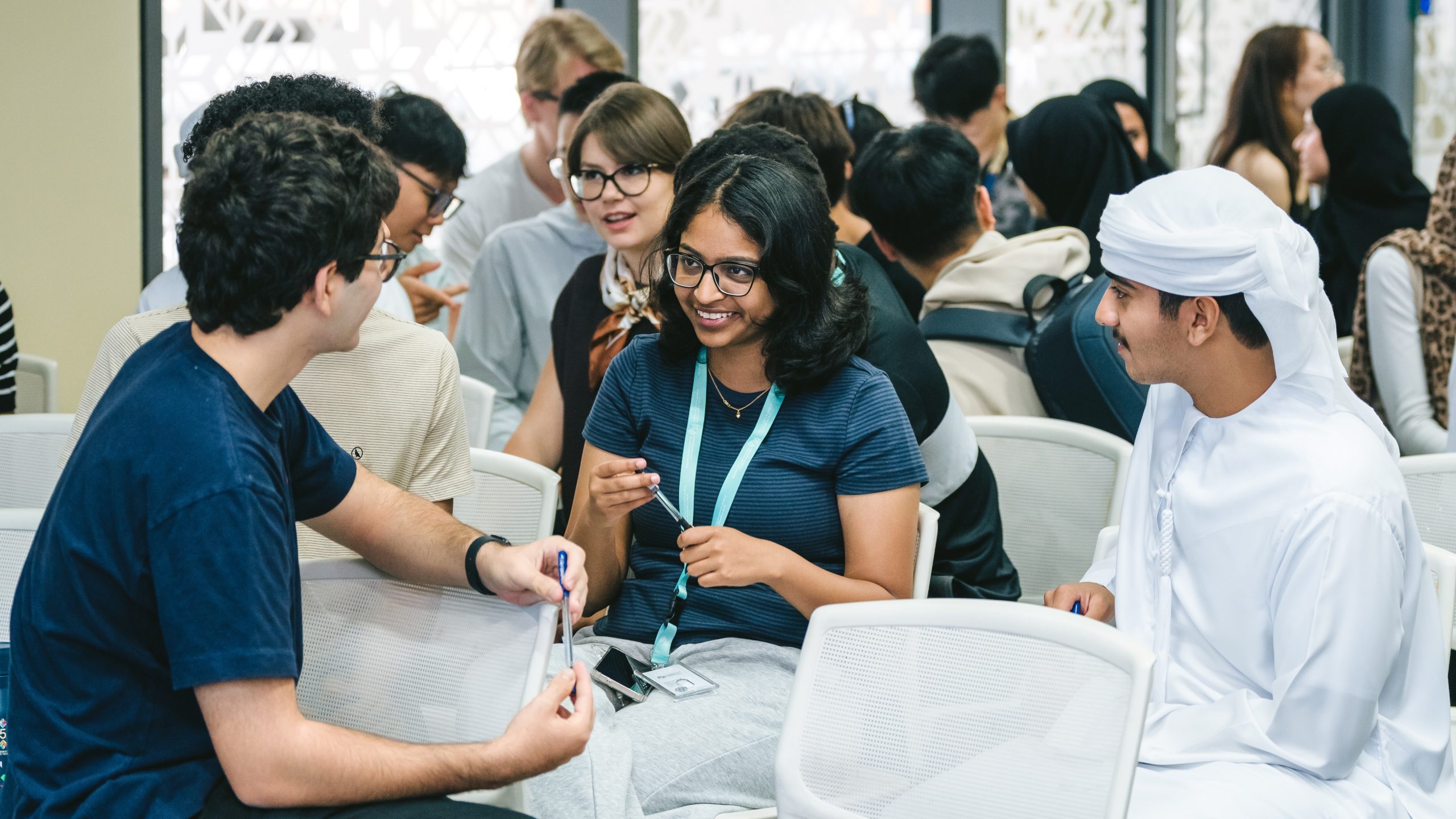
MBZUAI opens the 2026-27 academic year with first cohorts in computational biology and human-computer interaction
- faculty ,
- students ,
- academic year ,
MBZUAI starts new academic year with distinguished global researchers
New appointments strengthen a faculty community that includes internationally recognized scientists, major prize-winners, and fellows of leading.....
Read More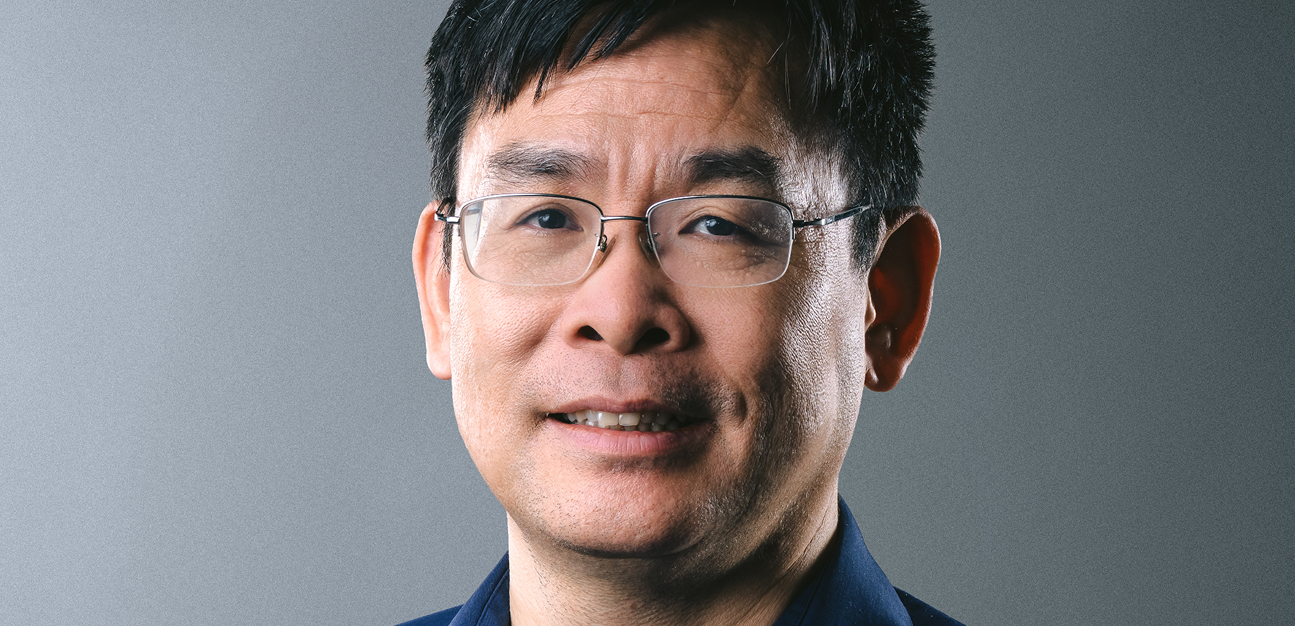
At robotics’ “take-off moment”, Dezhen Song is helping shape the future at MBZUAI
From building MBZUAI's robotics department to developing the next generation of AI talent, Professor Dezhen Song is.....
- innovation ,
- robotics ,
- faculty ,
- OSPA ,
- vice provost ,