Leaders in AI-Driven Health Research

Our Faculty Members
Our faculty bring expertise from leading global institutions such as Stanford, Harvard, Yale, and beyond to drive transformative research and mentorship.
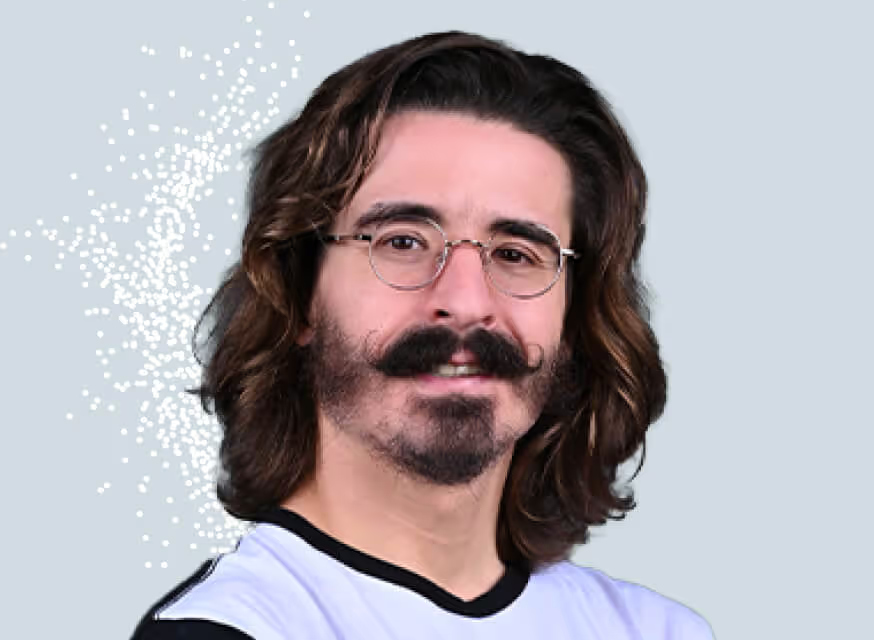
Eduardo
da Veiga Beltrame
Assistant Professor of Computational Biology
My main research focus is on method development and data analysis for "single cell omics", a new family of technologies increasingly being used across basic biology and clinical research. With single cell omics, the idea is that we are able to survey the molecular contents of individual cells, perfoming a kind of molecular census: we can count the number of RNA or protein molecules inside a cell, and even measure their location in space. This is a huge amlunt of data - in a single experiment we can survey thlusands of cells - and we need new and scalable machine learning methods to analyze it.
There are three main modes for research done within my group:
1) Development of new computational methods and tools for dealing with single cell omics data. For this we typically use publicly available data
2) Collaboration with other groups and analysis of data generated by them, or to which we can get access, such as the Emirati Genome Program or the Human Phenotype Project
3) Collaborations with clinicias or other institutional partners to design and execute novel clinical and biological studies, generate data, and analyze this data for biological and clinical discovery.
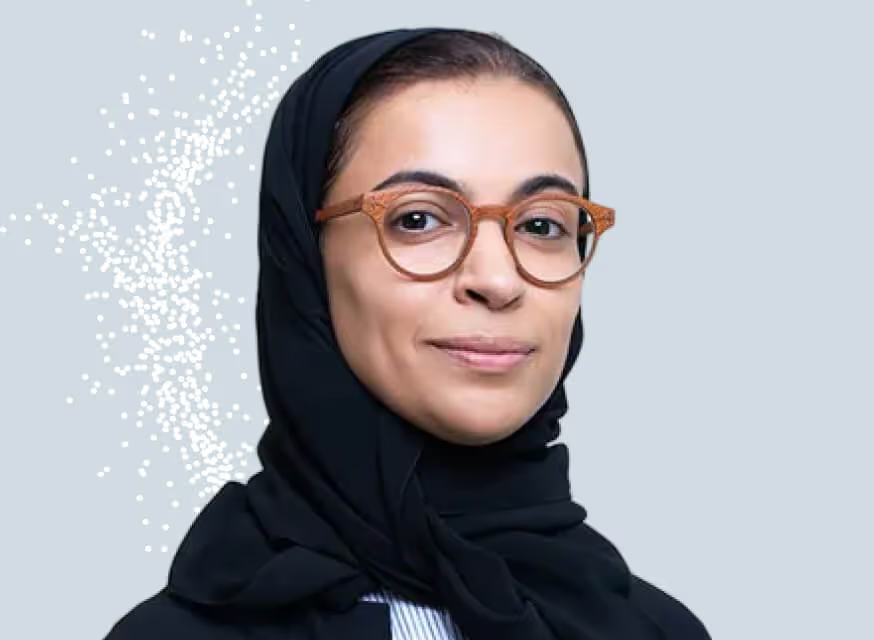
Fatima
AlKaabi
Affiliated Associate Professor of Personalized Medicine
Professor AlKaabi's research interests include regulatory science, health innovation policy, and the integration of advanced therapeutics with regenerative medicine, precision genomics, and AI-enabled clinical care.
- Early immune reconstitution assessment by flow/mass cytometry in autologous hematopoietic transplantation performed in a patient with multiple myeloma.
- Recurrent clumping in the extracorporeal photopheresis circuit using acid citrate dextrose solution A.
- Collection efficiency of double- versus single-needle apheresis in mononuclear cell therapy manufacturing.Mononuclear cell recruitment during extracorporeal photopheresis: Partial results of a phase 1/2 randomized clinical trial in multiple sclerosis.
- A randomized clinical trial, Abu Dhabi, 2020 – insights into mononuclear cell mobilization in autoimmune diseases.
- Partial results of a phase 1/2 randomized clinical trial in multiple sclerosis – mononuclear cell recruitment during ECP.
- First review of multiple myeloma patients in Sheikh Khalifa Medical City, Abu Dhabi, United Arab Emirates.
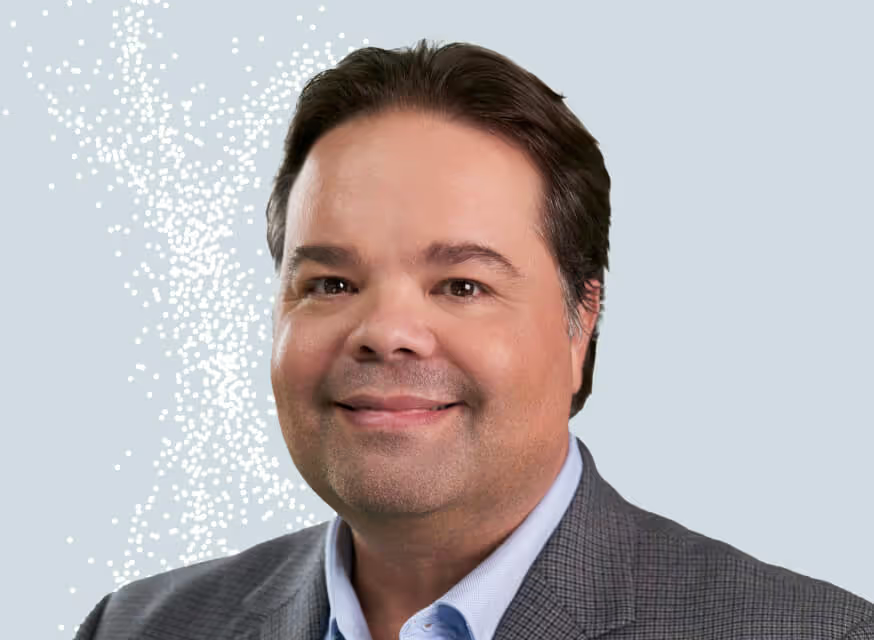
Carlos D.
Bustamante
Acting Director of Research Translation, Associate Dean for Research and Professor of Personalized Medicine, Biological and Life Sciences Division
I am broadly interested in population, computational, and medical genomics. We seek to understand how human demographic history impacts the apportionment of genetic variation and its implications for health maintenance and disease susceptibility. I am also interested in the development of novel computational methods for use in genetics/genomics.
We mine large data sets of genetic variation linked to health and disease outcomes to build inference of gene::disease associations as well as map genetic variants in the human genome underlying these associations (alone or in combination). We are interested in the problem on a global scale and seek to understand why certain populations may exhibit increased (or decreased) risk of disease based on a combination of genetic, environmental, and cultural factors. We have led development of novel AI/ML tools for this kind of work and collaborate broadly with other groups and centers doing this type of work.
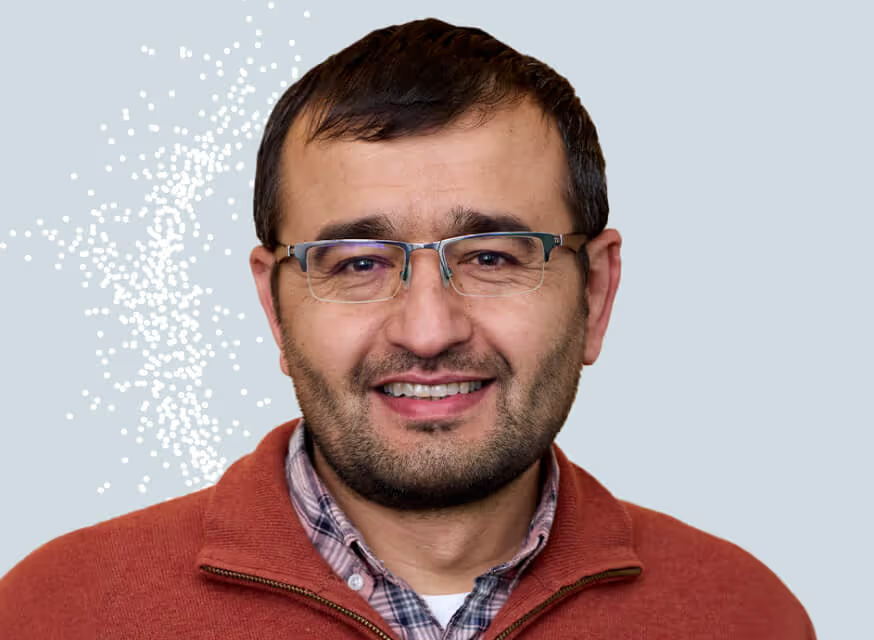
Aziz
Khan
Assistant Professor of Computational Biology
We develop and apply cutting-edge open-source tools and computational methods to analyze, integrate, and interpret large-scale, diverse multi-omics cancer datasets. Our work focuses on understanding gene regulation and decoding the function of the non-coding regulatory genome, aiming to reveal how regulatory elements influence cancer initiation, progression, and therapy response. We strive to advance precision medicine and make it more reproducible, accessible, and impactful for diverse populations.
We combine data-driven computational analysis, genomics, machine learning, and cloud-scale bioinformatics infrastructure to interrogate cancer genomes both in depth and at scale. Our research is highly collaborative – bringing together clinicians, biologists, data scientists, and global consortium partners to generate rigorous, reproducible, and clinically meaningful insights. Grounded in the principles of open science and reproducibility, we are committed to building inclusive research capacity by training the next generation of scientists, with a special focus on empowering communities in the UAE and the Global South.
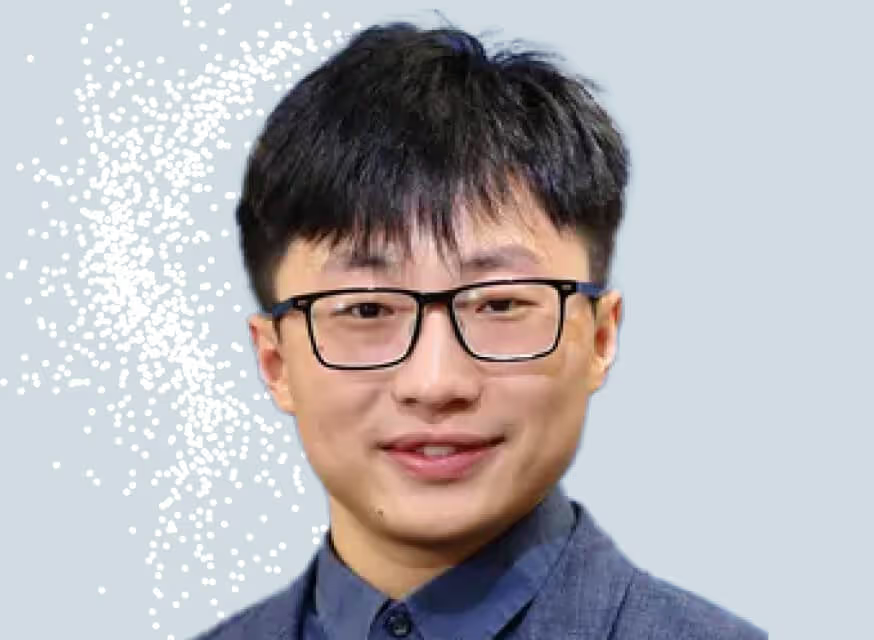
Yu
Li
Affiliated Assistant Professor
I am working at the intersection between machine learning, healthcare and bioinformatics, developing new machine learning methods to resolve the computational problems in biology and healthcare. My long-term goal is to improve the healthcare system with AI, benefiting society directly by improving people's health and wellness.
We develop AI models to model the biological system properties, predict biomoleculare status and system response, discover new functional molecules, and develop new drug and treatment to cure diseases. We collaborate with both biologists and clinicians, academia and industry.
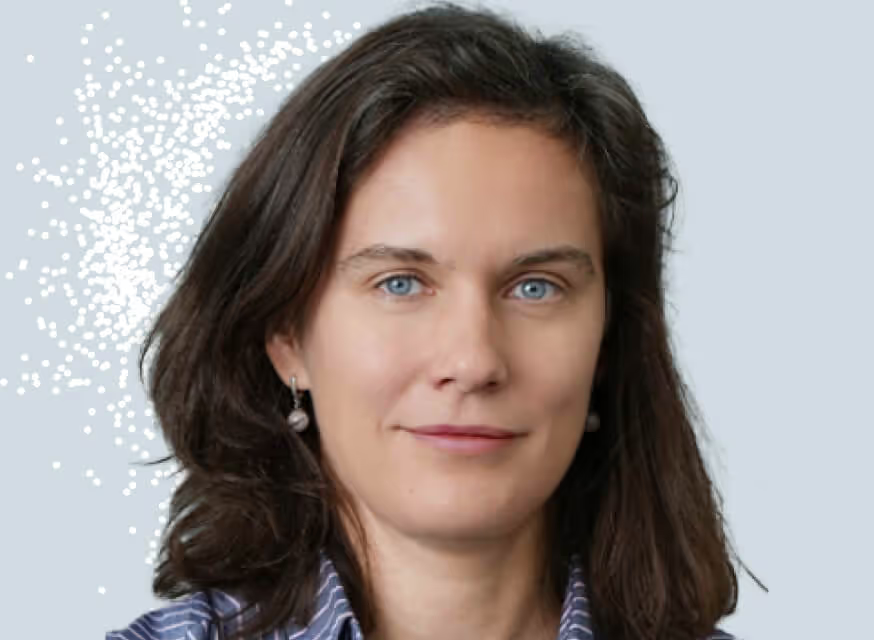
Yulia
Medvedeva
Assistant Professor of Computational Biology
Based on my previous research experience and future ambitions, my work is centered at the intersection of computational biology, AI, and precision medicine, with a focus on complex metabolic and aging-related diseases. My primary research area involves leveraging genomics and single-cell transcriptomics to unravel the molecular underpinnings of Type 2 Diabetes (T2D) across diverse ancestry groups. I am particularly interested in identifying cell-type-specific regulatory mechanisms and genetic variants that contribute to disease disparity and progression. The methodologies I develop are designed to be broadly applicable, providing a framework for understanding the pathogenesis of a wide range of age-related conditions.
My research strategy employs integrative computational methods to bridge molecular science and public health. I specialize in developing strategies for multi-omics data integration, combining genomic, transcriptomic, and epigenomic information with clinical data. My approach prioritizes methodological frameworks that ensure equitable performance across diverse populations. A key focus involves using analytical and data-driven techniques to identify fundamental disease drivers beyond simple correlations. The ultimate goal is to translate these computational discoveries into clinically actionable tools, creating a pathway from multi-omics insights to meaningful public health impact.
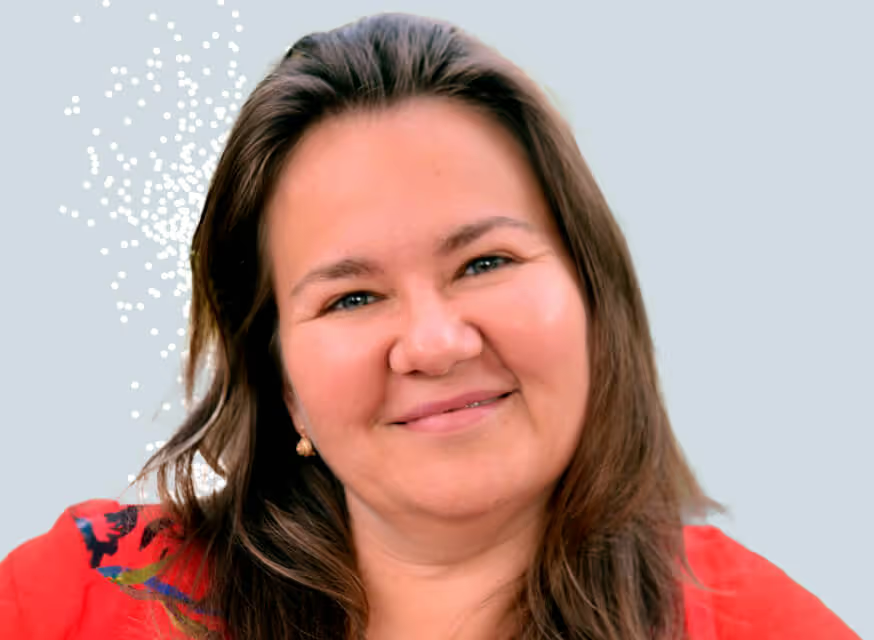
Natasa
Przulj
Professor of Computational Biology
Prof. Pržulj’s research focuses on developing new AI methods for elucidating fundamental principles of molecular organization of life. This is to facilitate understanding and controlled exploitation of genomic, proteomic, metabolomic and other “omic” data, applied for personalizing of medical treatment and the discovery of precision and longevity therapeutics. She is best known for inventing graphlets to extract biomedical knowledge from molecular networks in a cell, which are subject of over 22,000 research papers and hundreds of patents.
The strategic focus of Prof. Pržulj’s multi-disciplinary team is two-fold: 1) to exploit the existing, deep-tech technologies developed in her lab and transfer them from academia to industry for the benefit of the society; and 2) to pursue the development of new, forward-looking, cutting-edge computational and bio-tech technologies that will provide qualitatively new ideas toward changing of the existing paradigms and enabling a quantum leap in biomedical advancement. The key for both is to recruit, train and retain global, multi-disciplinary talent, motivated to witness real-world impact of their research.
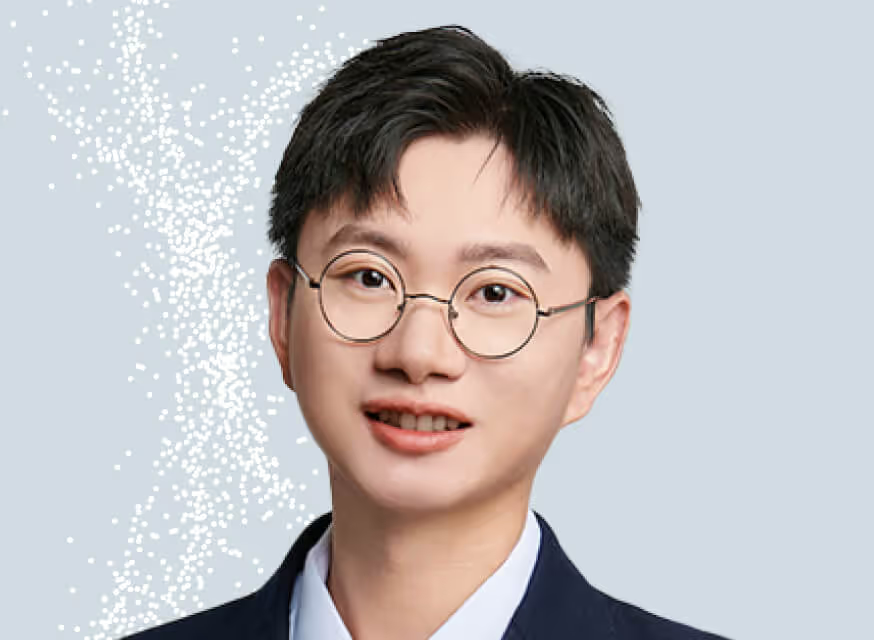
Jianing
Qiu
Assistant Professor of Personalized Medicine
I study artificial intelligence and its applied research in medicine and healthcare. My current research interests include multimodal clinical data learning, medical and health foundation models, AI agents, and human-AI collaborations in clinical practice.
My research focuses on practical needs and challenges in medicine and healthcare. I collaborate with clinicians, scientists, and engineers to conduct interdisciplinary research that creates insights and solutions for advancing global health innovation and medical breakthroughs.
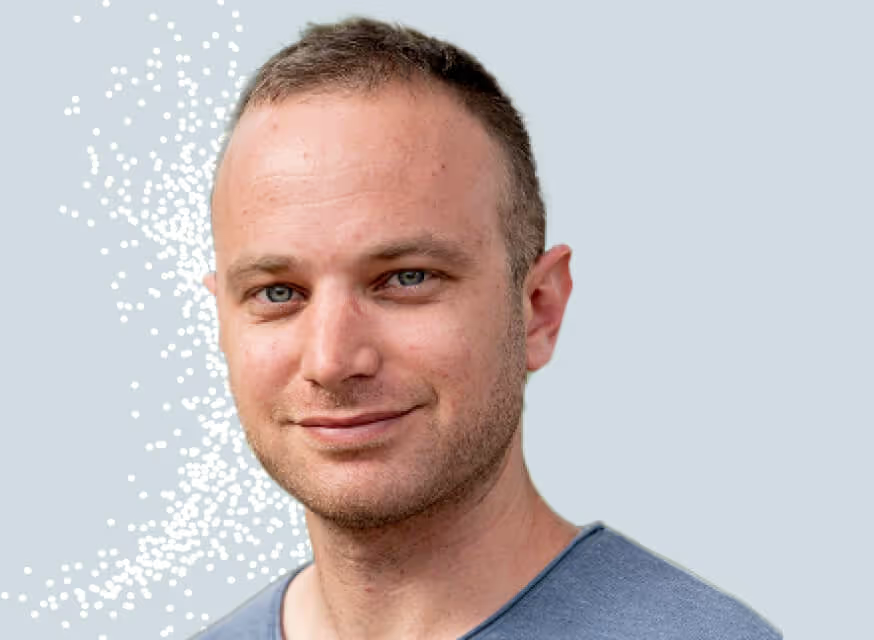
Hagai
Rossman
Affiliated Assistant Professor of Personalized Medicine
My research interests lie at the intersection of healthcare and machine learning, applying modular and knowledge-infused methods to advance modeling of the health disease continuum. A central theme of his research is bringing new AI technologies, including self supervised learning and large language models, to deep phenotyping data from the Human Phenotype Project. This work spans multiomics, imaging, wearables, and lifestyle measures to discover biomarkers, predict health trajectories, and reveal underlying mechanisms.
I take a collaborative, data-driven approach that integrates advances in machine learning with deep phenotyping from the Human Phenotype Project. My work emphasizes designing modular, interpretable methods and validating them across multiomics, imaging, wearables, and lifestyle data. I partner with clinicians and domain scientists to ensure discoveries translate into meaningful biological and health insights.
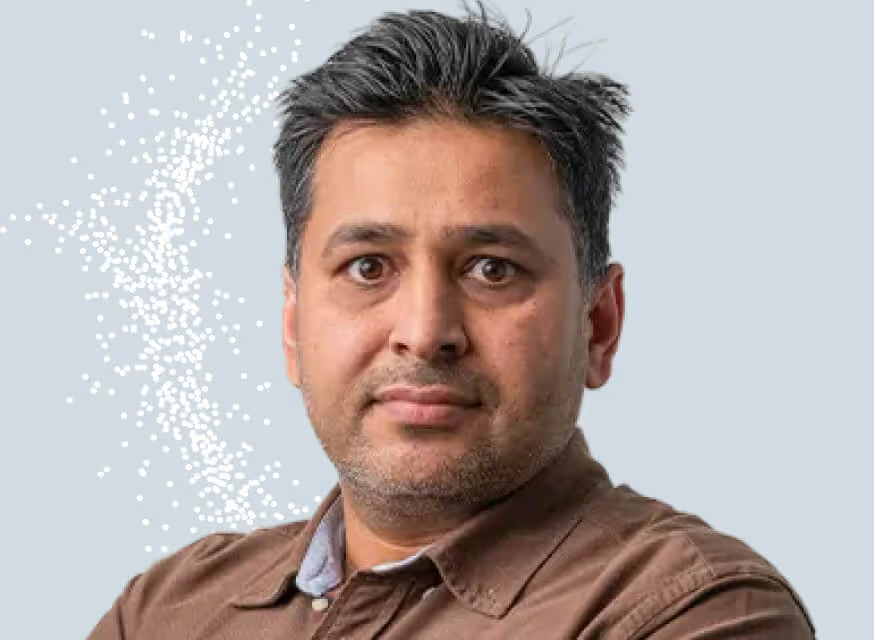
Imran
Rzzak
Associate Professor of Computational Biology
Imran’s research focuses on human-centered machine learning, medical image analysis, digital health, precision medicine, and multi-omics data integration. His work leverages advanced AI and data analytics to unify biological, molecular, and clinical information for improved disease prediction, diagnosis, and personalized treatment, driving progress toward data-driven and patient-centric healthcare.
Imran’s research combines AI-driven modeling with interdisciplinary collaboration across medicine, biology, machine learning and computer vision to enable early disease diagnosis and improve patient outcomes. He works closely with clinicians and researchers to translate advanced AI methods into real-world healthcare solutions, ensuring that models are interpretable, ethical, and clinically relevant. His work focuses on integrating multi-omics and clinical data to generate actionable insights that advance precision medicine.
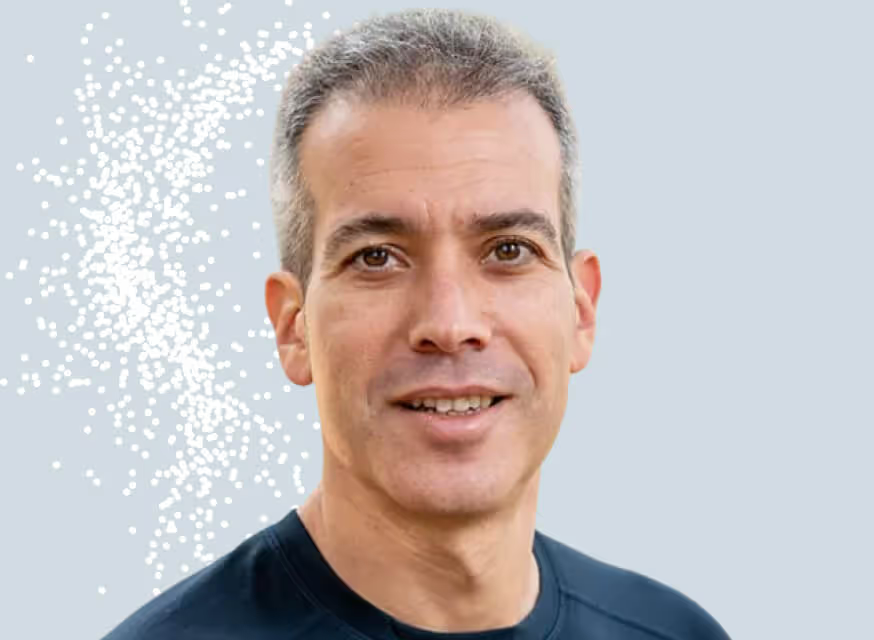
Eran
Segal
Dean of the Biological and Life Sciences Division and Professor of Computational Biology
Eran Segal’s research focuses on data-driven precision medicine, integrating artificial intelligence with large-scale human cohort data to model nutrition, disease risk, and human health. His lab developed the first algorithms to predict personalized blood glucose responses to food from microbiome, clinical, and lifestyle data, and demonstrated their clinical benefit in randomized trials. A central pillar of his research is the Human Phenotype Project, a large-scale, deeply phenotyped longitudinal cohort that he established to integrate genomics, multi-omics, continuous monitoring, and clinical data. Using this resource, Segal develops foundation AI models for human health that enable disease prediction, biomarker discovery, and personalized intervention strategies.
Segal’s research strategy emphasizes large-scale, deeply phenotyped human cohorts coupled with advanced AI and statistical modeling. He founded the Human Phenotype Project, a longitudinal multi-omic cohort integrating genomics, transcriptomics, continuous monitoring, imaging, and clinical data to enable predictive modeling of human health. His approach focuses on developing foundation AI models trained on multimodal human data to predict disease onset, metabolic dynamics, aging, and individual health trajectories. Methodological rigor, scalable data integration, and translational relevance guide both his computational and experimental research programs.
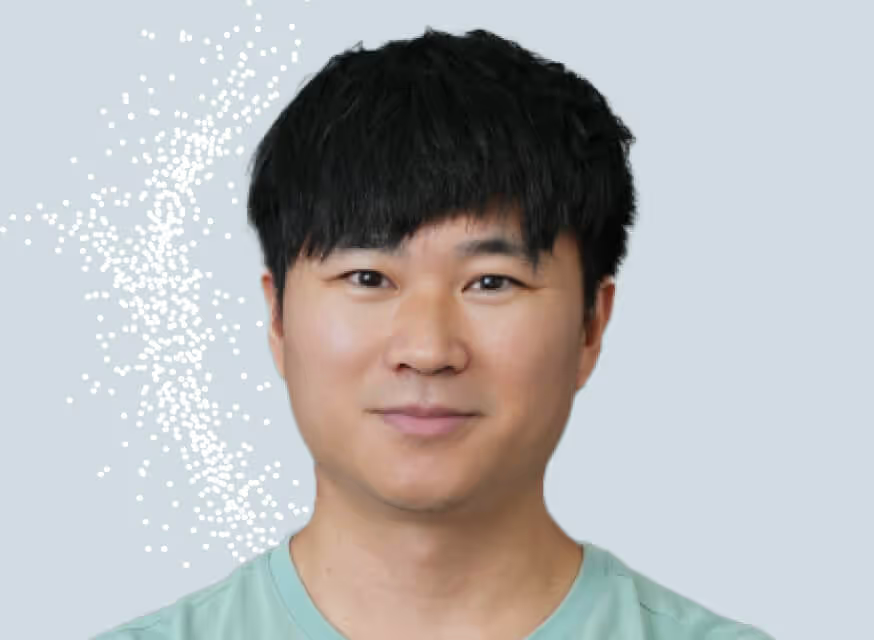
Bin
Zhang
Assistant Professor of Computational Biology
My research mainly focus on AI for systems biology, aiming to facilitate the discovery of novel biological phenomena, putative drug targets, innovative treatment strategies, and improved disease diagnostics.
My research leverage deep learning–based AI technologies to model complex biological processes, such as gene regulation and antigen presentation.
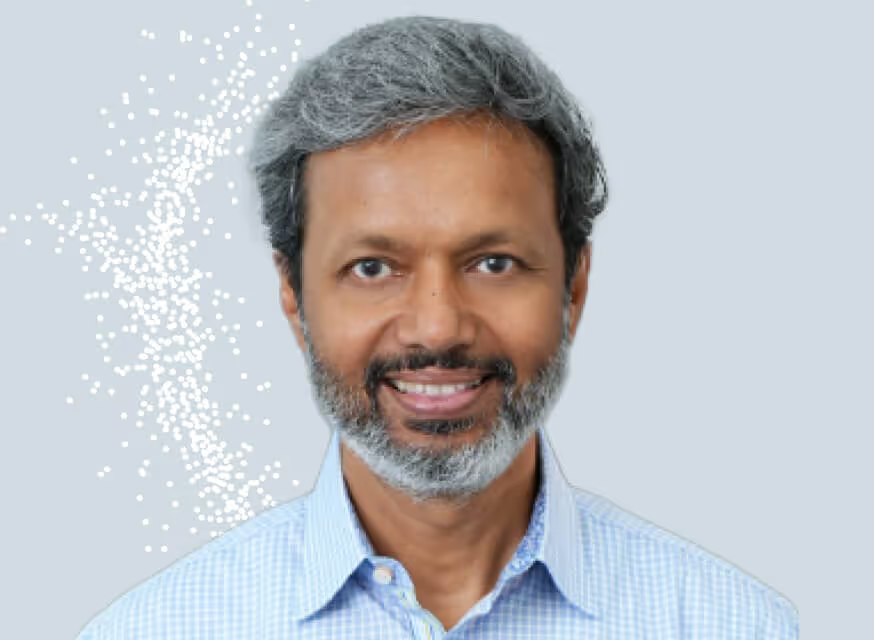
Habibul
Ahsan
Visiting Professor of Epidemiology
Professor Ahsan’s research interests focus on understanding complex gene-environment-lifestyle interactions that drive disease risk and treatment outcomes. The ultimate goal of his research is to ensure biomedical innovations translate into scalable and equitable real-world healthcare solutions worldwide.
Professor Ahsan leads multidisciplinary teams to build and leverage diverse population and patient cohorts and integrate multimodal data to develop scalable, equitable, and real-world AI-driven tools for precision medicine. By bridging population-scale biomedical and healthcare data science and AI tools with genomic and clinical epidemiology, he aims to shape the future of precision health solutions to improve disease prediction and prevention.
Join Our Faculty
We’re looking for researchers, educators, and innovators who share our mission to transform global health through AI and data science


Eduardo
da Veiga Beltrame

Research Area Summary:
Lorem ipsum dolor sit amet, consectetur adipiscing elit, sed do eiusmod tempor incididunt ut labore et dolore magna aliqua. Ut enim ad minim veniam, quis nostrud exercitation ullamco laboris nisi ut aliquip ex ea commodo consequat. Duis aute irure dolor in reprehenderit in voluptate velit esse cillum dolore eu fugiat nulla pariatur.
Research Strategies / Approach:
Lorem ipsum dolor sit amet, consectetur adipiscing elit, sed do eiusmod tempor incididunt ut labore et dolore magna aliqua. Ut enim ad minim veniam, quis nostrud exercitation ullamco laboris nisi ut aliquip ex ea commodo consequat. Duis aute irure dolor in reprehenderit in voluptate velit esse cillum dolore eu fugiat nulla pariatur.